
Table of Contents
Focus Keyword: Public Health: Everything You Need to Know
Introduction
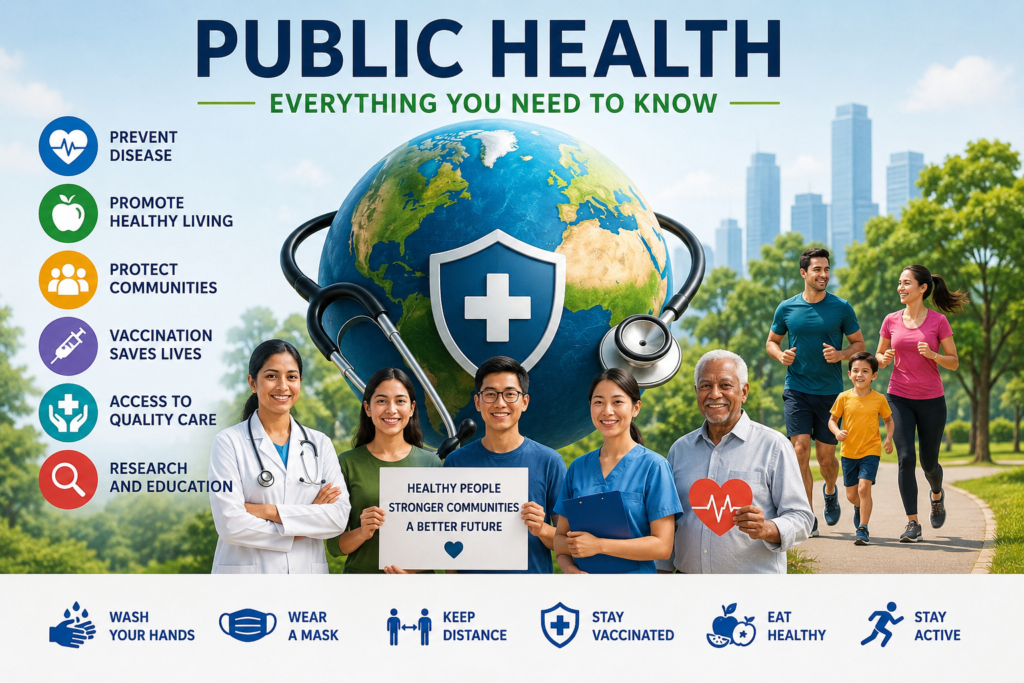
Health is one of the greatest assets a person can have, but maintaining good health requires more than personal effort. While individuals are responsible for making healthy lifestyle choices, the health of an entire population depends on organized efforts that protect communities from disease and promote overall well-being. This is where public health plays a vital role. Understanding Public Health: Everything You Need to Know helps us recognize how governments, healthcare professionals, researchers, and communities work together to improve quality of life and prevent illness before it begins.
Public health is not limited to hospitals, clinics, or treating patients after they become sick. Instead, it focuses on preventing diseases, promoting healthy lifestyles, ensuring access to clean water and nutritious food, protecting the environment, improving mental health, and preparing communities for emergencies. Every vaccination campaign, food safety inspection, health awareness program, and environmental protection policy is part of public health.
Over the past century, public health has significantly increased life expectancy and reduced deaths from infectious diseases through improved sanitation, vaccinations, medical research, and health education. During global events such as the COVID-19 pandemic, the importance of public health became more visible than ever. Strong public health systems helped countries monitor disease outbreaks, distribute vaccines, educate citizens, and reduce the spread of infection.
Today, public health continues to address modern challenges such as heart disease, diabetes, obesity, cancer, mental health disorders, environmental pollution, and climate-related health risks. By focusing on prevention rather than treatment, public health helps people live healthier, longer, and more productive lives.
This guide explains Public Health: Everything You Need to Know, including its meaning, importance, history, goals, and the professionals who work every day to protect communities around the world.
What Is Public Health?
Public health is the science and practice of protecting and improving the health of entire populations through disease prevention, health promotion, education, research, and public policy. Unlike clinical medicine, which focuses on diagnosing and treating individual patients, public health aims to improve the health of communities as a whole.
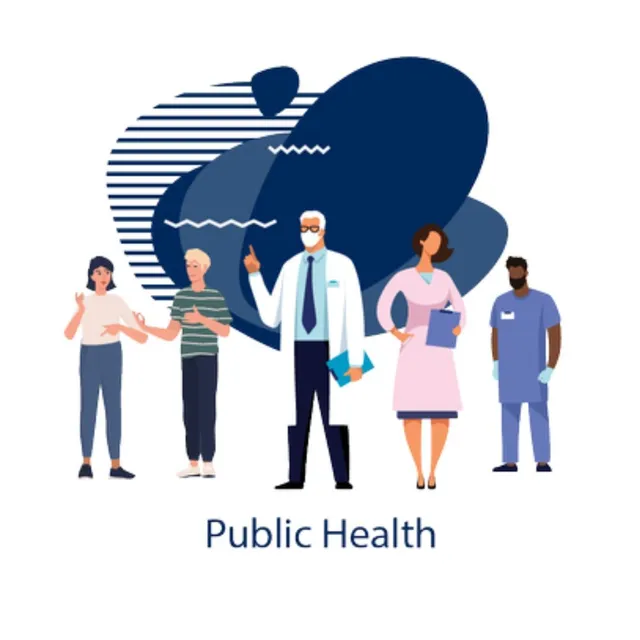
Public health professionals work behind the scenes to identify health risks, prevent disease outbreaks, improve healthcare systems, and educate people about healthy living. Their work affects millions of lives every day, often without people realizing it.
Some common examples of public health activities include:
- National vaccination and immunization programs
- Health education and awareness campaigns
- Safe drinking water initiatives
- Food safety inspections
- Air and water quality monitoring
- Disease surveillance and outbreak investigation
- Tobacco and alcohol control programs
- Maternal and child healthcare services
- Emergency preparedness and disaster response
Each of these activities contributes to healthier communities and helps reduce the burden on healthcare systems.
Public Health vs. Healthcare
Many people use the terms public health and healthcare interchangeably, but they are not the same. Although both aim to improve health, they approach the goal differently.
Healthcare focuses on diagnosing, treating, and managing diseases in individual patients. Doctors, nurses, pharmacists, and other healthcare providers care for people who are already sick or injured.
Public health, on the other hand, works to prevent diseases before they occur. It focuses on improving the health of entire populations through education, preventive programs, research, and public policies.
For example, when a patient develops influenza, a doctor provides medical treatment. At the same time, public health organizations encourage vaccination, monitor flu outbreaks, and educate the public about hygiene practices to reduce the spread of the virus.
Both healthcare and public health are essential, and together they create healthier communities.
Why Public Health Is Important
Public health has transformed modern society by preventing diseases, increasing life expectancy, and improving living conditions. Many of the health improvements we enjoy today are the result of decades of public health efforts.
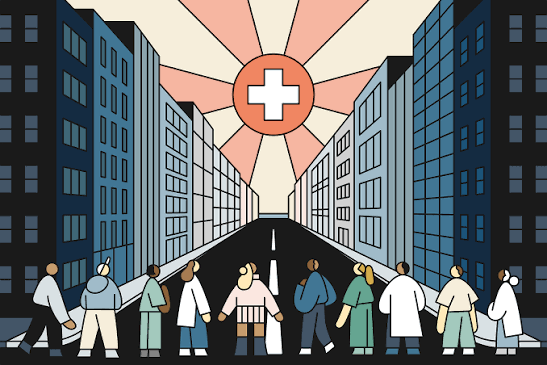
One of the most important benefits of public health is disease prevention. Preventing illnesses through vaccination, early screening, and education is often more effective and less expensive than treating diseases after they develop.
Public health also promotes healthy lifestyles by encouraging regular exercise, balanced nutrition, mental well-being, adequate sleep, and avoiding harmful habits such as smoking and excessive alcohol consumption.
Another major advantage is reducing healthcare costs. Preventive care lowers the number of hospital admissions, decreases the need for expensive treatments, and helps healthcare systems operate more efficiently.
Public health also protects communities during emergencies. Whether responding to disease outbreaks, natural disasters, or environmental hazards, public health agencies coordinate efforts to protect lives and reduce health risks.
Perhaps most importantly, public health works to reduce health inequalities by improving access to essential healthcare services for people regardless of their income, education, or geographic location.
A Brief History of Public Health
The concept of public health has existed for thousands of years. Ancient civilizations understood that clean water, proper sanitation, and personal hygiene were essential for preventing disease.
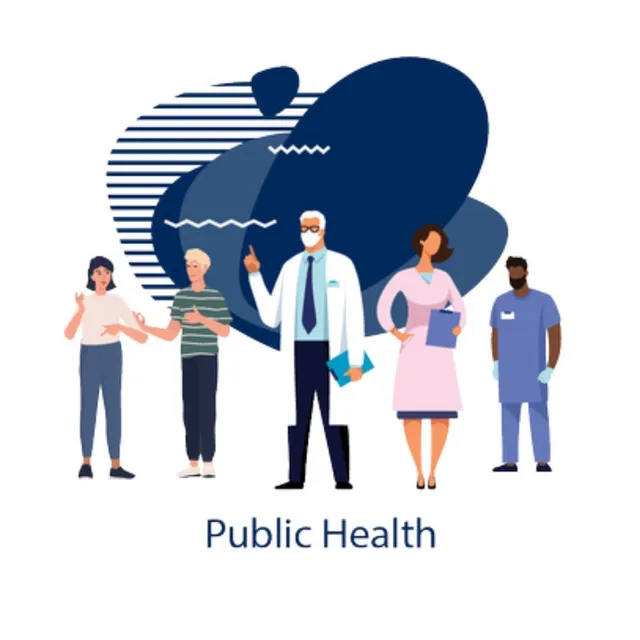
The Romans built sophisticated aqueducts and sewer systems to improve sanitation and reduce illness. Similar public health practices were also developed in ancient Egypt, Greece, India, and China.
During the Middle Ages, devastating outbreaks such as the Black Death demonstrated the importance of disease control and quarantine. These experiences encouraged governments to establish organized public health measures.
The Industrial Revolution brought rapid urbanization, overcrowding, and poor sanitation. As cities expanded, infectious diseases spread more quickly, leading governments to introduce public health laws related to housing, sanitation, clean water, and workplace safety.
Scientific breakthroughs during the twentieth century transformed public health through vaccines, antibiotics, disease surveillance systems, and advances in medical research. Today, international organizations such as the World Health Organization (WHO) and the Centers for Disease Control and Prevention (CDC) continue leading global efforts to improve health and respond to emerging health threats.
For trusted global health information, visit the World Health Organization:
https://www.who.int/
The Primary Goals of Public Health
The mission of public health extends far beyond preventing infectious diseases. Its goal is to improve the overall well-being of communities by addressing physical, mental, social, and environmental factors that influence health.
One of its primary objectives is to prevent disease before it occurs. Public health programs encourage vaccination, health screenings, healthy lifestyles, and early detection to reduce illness and save lives.
Health promotion is another major goal. Educational campaigns help individuals make informed decisions about nutrition, physical activity, mental health, hygiene, and preventive healthcare.
Public health also focuses on creating healthy environments by ensuring clean drinking water, reducing pollution, maintaining food safety standards, and improving sanitation.
Reducing health disparities is equally important. Public health professionals work to ensure that everyone, regardless of socioeconomic background or location, has access to essential healthcare services and health education.
Research, innovation, and evidence-based policy development support all public health activities. By analyzing health data and identifying emerging risks, experts develop strategies that improve community health and strengthen healthcare systems.
Careers in Public Health
Public health is a diverse field that brings together professionals from many disciplines. Epidemiologists investigate disease patterns and identify the causes of outbreaks. Public health physicians and nurses develop prevention programs and provide community health services. Environmental health specialists monitor pollution, food safety, and water quality, while nutritionists help communities adopt healthier eating habits.
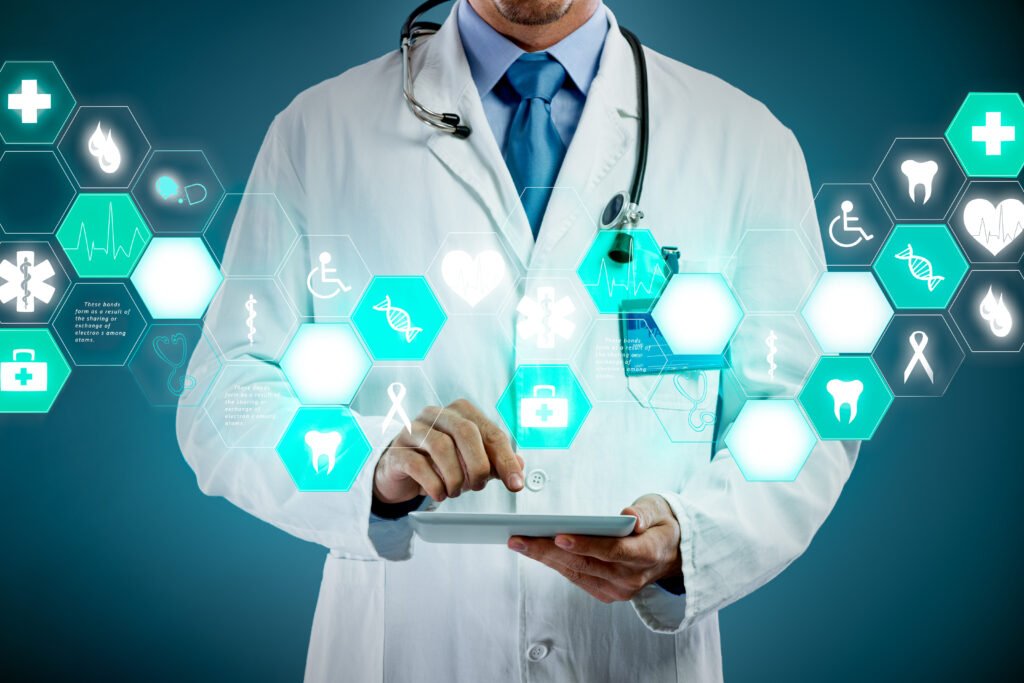
Health educators design awareness campaigns that encourage healthy behaviors, and biostatisticians analyze health data to guide public policy. Researchers, laboratory scientists, emergency preparedness specialists, and policy analysts also play essential roles in protecting public health.
Together, these professionals work to prevent disease, promote healthy living, improve healthcare systems, and create safer environments for future generations.
Internal Link Suggestions (Naturally Place Later in the Blog):
- Healthy Living Tips for Better Wellness
- Disease Prevention Strategies Everyone Should Know
Core Functions of Public Health
Public health is built on a strong foundation of prevention, protection, and promotion. While healthcare professionals focus on treating individual patients, public health professionals work to improve the health of entire populations. Their responsibilities extend beyond hospitals and clinics, involving research, education, policy development, environmental protection, and emergency response.
Every successful public health system performs several essential functions that help communities remain healthy and resilient. These functions ensure that health risks are identified early, appropriate interventions are implemented, and resources are used effectively to improve the quality of life for everyone.
Assessment: Understanding Community Health
The first core function of public health is assessment, which involves collecting, analyzing, and interpreting health-related information. Accurate data helps public health professionals understand the health status of a population and identify potential risks before they become widespread problems.
Assessment includes monitoring disease outbreaks, tracking birth and death rates, evaluating vaccination coverage, and identifying environmental hazards. Data is gathered from hospitals, laboratories, surveys, schools, and healthcare facilities to create a complete picture of community health.
For example, if a sudden increase in influenza cases is reported in a particular region, public health officials analyze the data to determine the cause, identify affected groups, and develop strategies to reduce transmission.
Reliable health assessments also help governments allocate resources efficiently and develop policies based on scientific evidence rather than assumptions.
Policy Development
Once health issues have been identified, the next step is developing policies that protect and improve public health. Public health policies provide guidelines and regulations that reduce health risks and promote healthier lifestyles.
Governments, healthcare organizations, researchers, and public health experts collaborate to create policies addressing issues such as:
- Vaccination requirements
- Food safety regulations
- Tobacco and alcohol control
- Environmental protection
- Workplace safety
- Air and water quality standards
- Maternal and child healthcare
- Disease prevention programs
These policies influence everyday life in many ways. Mandatory food inspections help prevent foodborne illnesses, while smoking restrictions in public places reduce exposure to secondhand smoke and improve respiratory health.
Evidence-based policymaking ensures that decisions are supported by scientific research and reliable health data.
Assurance
The third core function of public health is assurance, which ensures that individuals and communities have access to quality healthcare services and preventive programs.
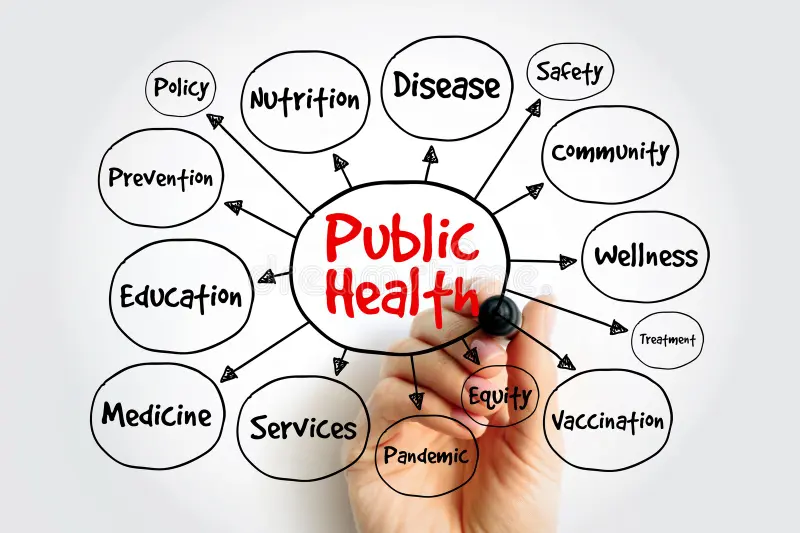
Public health agencies work to make essential health services available to everyone, especially vulnerable populations who may face barriers to healthcare access.
Assurance includes:
- Expanding immunization programs
- Supporting maternal and child healthcare
- Improving emergency medical services
- Providing health education
- Ensuring laboratory testing capacity
- Monitoring healthcare quality
- Preparing for public health emergencies
Without assurance, even the best public health policies cannot achieve their intended goals because communities may lack access to the services they need.
The 10 Essential Public Health Services
To strengthen public health systems worldwide, experts have identified 10 Essential Public Health Services that guide organizations in protecting and improving community health.
1. Monitor Community Health
Public health agencies continuously monitor disease trends, injury rates, chronic illnesses, environmental risks, and other health indicators. Continuous monitoring helps detect emerging problems before they become major public health crises.
2. Investigate Health Problems
When unusual health events occur, such as disease outbreaks or environmental contamination, public health professionals investigate the causes, identify affected populations, and implement control measures.
Epidemiologists often lead these investigations by studying patterns of disease transmission and identifying risk factors.
3. Inform and Educate the Public
Education is one of the most powerful tools in public health. Awareness campaigns encourage healthy behaviors and help people make informed decisions.
Public education programs commonly focus on:
- Healthy eating
- Physical activity
- Mental health awareness
- Vaccination
- Smoking cessation
- Disease prevention
- Personal hygiene
Clear communication helps reduce misinformation and encourages community participation in health initiatives.
4. Strengthen Community Partnerships
Public health cannot succeed without collaboration. Governments, schools, businesses, healthcare providers, community organizations, and citizens all contribute to healthier communities.
Strong partnerships improve the effectiveness of health programs by combining resources, expertise, and community support.
5. Develop Public Health Policies
Effective policies create healthier environments and reduce health risks. Public health organizations regularly evaluate existing regulations and develop new policies based on current scientific evidence.
Examples include nutrition labeling requirements, workplace safety standards, and infectious disease control measures.
6. Enforce Health Laws
Public health agencies ensure compliance with laws designed to protect communities.
These laws may regulate:
- Restaurant hygiene
- Drinking water quality
- Food manufacturing
- Air pollution
- Occupational safety
- Infectious disease reporting
Enforcement helps maintain high standards that protect public health.
7. Improve Access to Healthcare
Access to healthcare remains a major challenge in many parts of the world. Public health programs work to reduce barriers related to income, transportation, education, and geographic location.
Community health clinics, vaccination campaigns, mobile healthcare units, and telemedicine services all improve access to essential healthcare.
8. Build a Skilled Public Health Workforce
Well-trained professionals are essential for maintaining effective public health systems.
Continuous education, professional development, research opportunities, and workforce training ensure that public health professionals remain prepared to address new health challenges.
9. Evaluate Public Health Programs
Evaluation determines whether health programs are achieving their intended goals.
Public health organizations regularly measure outcomes such as:
- Vaccination rates
- Disease incidence
- Mortality rates
- Community participation
- Healthcare accessibility
Evaluation allows organizations to improve programs and use resources more efficiently.
10. Support Research and Innovation
Scientific research drives public health progress.
Researchers study disease patterns, evaluate interventions, develop vaccines, improve healthcare technologies, and identify better methods for preventing illness.
Innovation continues to transform public health through digital health systems, artificial intelligence, wearable technology, and advanced disease surveillance.
Trusted health research can be found through the National Institutes of Health (NIH):
https://www.nih.gov/
Epidemiology: The Foundation of Public Health
Epidemiology is often described as the backbone of public health. It is the study of how diseases spread, who is affected, why outbreaks occur, and how they can be controlled.
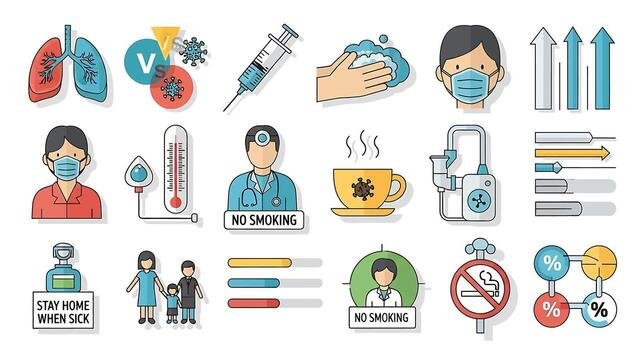
Epidemiologists collect and analyze health data to identify trends and risk factors. Their findings guide public health policies, vaccination strategies, and disease prevention programs.
For example, epidemiological research has helped reduce smoking-related illnesses by demonstrating the strong connection between tobacco use and lung cancer. Similarly, epidemiologists played a critical role during the COVID-19 pandemic by tracking infection rates, evaluating vaccine effectiveness, and guiding public health responses.
Disease Surveillance
Disease surveillance is the continuous monitoring of health data to detect outbreaks and emerging threats as early as possible.
Healthcare providers, laboratories, and public health agencies report cases of infectious diseases to centralized surveillance systems. These systems help officials respond quickly and prevent widespread transmission.
Modern disease surveillance uses advanced technologies such as electronic health records, artificial intelligence, geographic information systems (GIS), and real-time data analysis to improve response times and protect communities.
Disease surveillance remains one of the most effective tools for preventing epidemics and ensuring public safety.
Health Promotion and Disease Prevention
Health promotion and disease prevention are at the heart of public health. Rather than waiting for people to become ill, public health professionals encourage healthy behaviors and create supportive environments that reduce the risk of disease. These efforts not only improve individual well-being but also reduce healthcare costs and strengthen communities.
Health promotion involves educating people about healthy lifestyles, while disease prevention focuses on reducing the occurrence and impact of illnesses through early intervention and preventive measures. Together, these strategies help people live longer, healthier, and more productive lives.
Levels of Disease Prevention
Public health experts classify disease prevention into three levels: primary, secondary, and tertiary prevention. Each level plays a unique role in protecting public health.
Primary Prevention
Primary prevention aims to stop diseases before they occur by reducing exposure to risk factors and promoting healthy habits.
Examples include:
- Childhood and adult vaccination programs
- Healthy eating campaigns
- Regular physical activity
- Smoking cessation programs
- Safe drinking water initiatives
- Seat belt and helmet laws
- Public education on hygiene and sanitation
These measures reduce the likelihood of developing diseases and contribute to healthier populations.
Secondary Prevention
Secondary prevention focuses on detecting diseases at an early stage when treatment is more effective.
Common examples include:
- Blood pressure screenings
- Diabetes testing
- Mammograms for breast cancer
- Colon cancer screening
- Cholesterol checks
- Vision and hearing tests
Early diagnosis often leads to better treatment outcomes and reduces the risk of serious complications.
Tertiary Prevention
Tertiary prevention aims to improve the quality of life for people already living with chronic diseases or disabilities.
Examples include:
- Cardiac rehabilitation after heart attacks
- Physical therapy following injuries
- Diabetes management programs
- Cancer rehabilitation
- Mental health counseling
- Long-term rehabilitation services
These interventions help individuals manage their conditions and maintain independence.
Health Education
Health education is one of the most effective tools in public health. When people understand how lifestyle choices affect their health, they are more likely to adopt healthy behaviors and avoid preventable diseases.
Public health organizations educate communities about:
- Balanced nutrition
- Physical activity
- Personal hygiene
- Safe food handling
- Mental well-being
- Substance abuse prevention
- Sexual and reproductive health
- Vaccination
- Chronic disease prevention
Education campaigns are delivered through schools, healthcare facilities, workplaces, community organizations, television, radio, and digital platforms.
Nutrition and Healthy Eating
A balanced diet is essential for maintaining good health and preventing chronic diseases. Public health programs encourage healthy eating habits from childhood through older adulthood.
A nutritious diet should include:
- Fruits and vegetables
- Whole grains
- Lean proteins
- Healthy fats
- Low-fat dairy products
- Adequate water intake
At the same time, people are encouraged to limit:
- Sugary beverages
- Processed foods
- Excess salt
- Saturated fats
- Trans fats
- Excessive sugar consumption
Healthy eating reduces the risk of obesity, diabetes, heart disease, hypertension, and certain types of cancer.
For evidence-based nutrition guidance, visit the World Health Organization (WHO):
https://www.who.int/
Physical Activity and Public Health
Regular physical activity is one of the simplest and most effective ways to improve health. Exercise strengthens the heart, muscles, and bones while reducing the risk of many chronic diseases.
Adults should aim for at least 150 minutes of moderate-intensity physical activity each week, along with muscle-strengthening activities on two or more days.
Regular exercise provides numerous benefits, including:
- Better cardiovascular health
- Weight management
- Improved mental health
- Stronger immune function
- Lower blood pressure
- Reduced risk of diabetes
- Increased energy levels
- Better sleep quality
Communities can support physical activity by providing parks, walking trails, cycling paths, sports facilities, and safe neighborhoods.
Vaccination and Immunization
Vaccination is one of the greatest achievements in public health. Vaccines protect individuals and communities from infectious diseases by stimulating the immune system to recognize and fight harmful pathogens.
Immunization programs have significantly reduced or eliminated diseases such as:
- Smallpox
- Polio
- Measles
- Rubella
- Diphtheria
- Tetanus
- Hepatitis B
Vaccination also contributes to herd immunity, protecting vulnerable individuals who cannot receive vaccines because of age or certain medical conditions.
Routine immunization schedules for children and adults play a critical role in preventing disease outbreaks and saving millions of lives each year.
Reliable vaccination information is available from the Centers for Disease Control and Prevention (CDC):
https://www.cdc.gov/
Mental Health as a Public Health Priority
Mental health is an essential component of overall health. Public health recognizes that emotional, psychological, and social well-being directly affect physical health, productivity, education, and quality of life.
Common mental health conditions include:
- Depression
- Anxiety disorders
- Bipolar disorder
- Post-traumatic stress disorder (PTSD)
- Substance use disorders
Public health initiatives promote mental well-being by increasing awareness, reducing stigma, improving access to counseling services, and encouraging early intervention.
Communities can support mental health by creating safe environments, promoting work-life balance, strengthening social connections, and ensuring access to professional care when needed.
Environmental Health
Environmental health focuses on protecting people from environmental hazards that affect physical and mental well-being. Clean air, safe water, healthy housing, and proper waste management are fundamental components of public health.
Major environmental health concerns include:
- Air pollution
- Water contamination
- Climate change
- Hazardous chemicals
- Noise pollution
- Poor sanitation
- Unsafe housing conditions
Exposure to environmental hazards increases the risk of respiratory diseases, cardiovascular diseases, certain cancers, and infectious illnesses.
Public health agencies monitor environmental conditions, enforce regulations, and educate communities about reducing environmental risks.
Occupational Health and Workplace Safety
Healthy workplaces contribute significantly to public health. Occupational health focuses on preventing injuries and illnesses related to work environments.
Employers can improve workplace health by:
- Providing safety training
- Maintaining clean work environments
- Reducing exposure to hazardous substances
- Promoting mental well-being
- Encouraging ergonomic workstations
- Supporting employee wellness programs
Strong workplace safety policies protect workers while improving productivity and reducing healthcare costs.
Maternal and Child Health
Protecting mothers and children is one of the highest priorities in public health. Healthy pregnancies, safe childbirth, and proper childhood development have long-term benefits for families and communities.
Public health programs support maternal and child health through:
- Prenatal care
- Safe delivery services
- Childhood immunization
- Breastfeeding support
- Nutrition programs
- Growth monitoring
- Developmental screenings
- Parenting education
Investing in maternal and child health reduces infant mortality, improves childhood development, and creates healthier future generations.
Global Public Health
Public health challenges often extend beyond national borders. Infectious diseases, environmental pollution, climate change, food insecurity, and humanitarian crises can affect multiple countries simultaneously. As a result, global cooperation has become an essential part of protecting population health.
Organizations such as the World Health Organization (WHO), Centers for Disease Control and Prevention (CDC), UNICEF, and the World Bank work with governments and healthcare institutions to improve healthcare systems, prevent disease outbreaks, expand vaccination programs, and respond to international health emergencies.
Global public health initiatives focus on reducing health inequalities, improving access to healthcare, strengthening disease surveillance, and supporting countries with limited healthcare resources. International collaboration has played a key role in controlling diseases such as smallpox and polio and continues to improve preparedness for future public health threats.
Learn more about global health initiatives by visiting the World Health Organization:
https://www.who.int/
Public Health Challenges in the 21st Century
Although remarkable progress has been made over the past century, public health continues to face numerous challenges that require innovative solutions and strong international cooperation.
Infectious Diseases
New and re-emerging infectious diseases remain a significant concern. Global travel, urbanization, and climate change can increase the spread of viruses and bacteria across borders. Continuous disease surveillance, vaccination, and rapid emergency response are essential for controlling outbreaks.
Chronic Diseases
Heart disease, diabetes, obesity, cancer, and chronic respiratory diseases are now among the leading causes of death worldwide. These conditions are often linked to unhealthy diets, physical inactivity, tobacco use, excessive alcohol consumption, and environmental factors.
Climate Change
Climate change affects public health by increasing the frequency of heatwaves, floods, wildfires, droughts, and severe storms. These events can lead to injuries, food insecurity, poor air quality, water shortages, and the spread of infectious diseases.
Air Pollution
Poor air quality contributes to millions of premature deaths each year. Long-term exposure to polluted air increases the risk of asthma, lung disease, stroke, and cardiovascular conditions. Reducing emissions and promoting clean energy are important public health priorities.
Health Inequalities
Access to quality healthcare remains unequal in many regions. Economic conditions, education, geographic location, and social factors often influence health outcomes. Public health programs aim to reduce these disparities by improving healthcare access and promoting health equity.
The Role of Technology in Public Health
Technology has transformed the way public health professionals monitor diseases, analyze health data, and deliver healthcare services. Digital innovations improve efficiency, support research, and enhance communication between healthcare providers and communities.
Some of the most important technologies shaping public health include:
- Electronic Health Records (EHRs)
- Artificial Intelligence (AI)
- Telemedicine
- Mobile health applications
- Wearable health devices
- Geographic Information Systems (GIS)
- Big data analytics
- Digital disease surveillance systems
Artificial intelligence helps analyze large amounts of health data, identify disease patterns, and support decision-making. Telemedicine expands healthcare access for people living in remote or underserved areas, while wearable devices encourage healthier lifestyles by monitoring physical activity, heart rate, sleep, and other health indicators.
Technology will continue to play a critical role in improving disease prevention, emergency preparedness, and healthcare delivery in the future.
Public Health Careers
Public health offers diverse career opportunities for individuals who are passionate about improving community health. Professionals from many educational backgrounds contribute to disease prevention, health promotion, environmental protection, and healthcare policy.
Some of the most common public health careers include:
- Epidemiologist
- Public Health Physician
- Public Health Nurse
- Environmental Health Specialist
- Health Educator
- Nutritionist
- Biostatistician
- Community Health Worker
- Laboratory Scientist
- Health Policy Analyst
- Emergency Management Specialist
- Occupational Health Specialist
These professionals work in government agencies, hospitals, universities, research institutions, nonprofit organizations, international agencies, and private healthcare organizations.
A career in public health is both rewarding and impactful because it focuses on improving the health and well-being of entire populations.
The Future of Public Health
The future of public health will be shaped by scientific innovation, stronger healthcare systems, and increased global collaboration. Advances in artificial intelligence, genomic medicine, digital health technologies, and precision public health will improve disease prevention and healthcare planning.
Future public health priorities are expected to include:
- Strengthening pandemic preparedness
- Expanding digital healthcare services
- Addressing climate-related health risks
- Improving mental health services
- Reducing chronic diseases
- Promoting healthy aging
- Enhancing global disease surveillance
- Increasing healthcare accessibility and equity
As healthcare challenges continue to evolve, public health professionals must remain adaptable, innovative, and committed to evidence-based solutions that improve population health.
Frequently Asked Questions (FAQs)
1. What is public health?
Public health is the science and practice of protecting and improving the health of communities through disease prevention, health promotion, research, education, and public policy.
2. Why is public health important?
Public health prevents diseases, increases life expectancy, promotes healthy lifestyles, improves environmental safety, and reduces healthcare costs.
3. What is the difference between public health and healthcare?
Healthcare focuses on treating individual patients, while public health focuses on preventing diseases and improving the health of entire populations.
4. What are the three core functions of public health?
The three core functions are assessment, policy development, and assurance.
5. What are examples of public health programs?
Examples include vaccination campaigns, health education, disease surveillance, maternal and child health services, food safety inspections, and environmental protection programs.
6. How does public health improve communities?
Public health improves communities by preventing illness, promoting healthy behaviors, ensuring safe environments, and expanding access to healthcare services.
7. What skills are needed for a career in public health?
Important skills include communication, research, data analysis, leadership, critical thinking, problem-solving, and teamwork.
8. Where can I learn more about public health?
You can explore trusted resources from:
- World Health Organization (WHO): https://www.who.int/
- Centers for Disease Control and Prevention (CDC): https://www.cdc.gov/
- National Institutes of Health (NIH): https://www.nih.gov/
Conclusion
Understanding Public Health: Everything You Need to Know is essential because public health affects every aspect of our daily lives. From ensuring clean drinking water and safe food to preventing disease outbreaks and promoting mental well-being, public health creates healthier and safer communities for everyone.
The success of public health depends on collaboration between governments, healthcare professionals, researchers, organizations, and individuals. While medical care treats illness, public health works to prevent it through education, research, policy development, and community engagement.
As new health challenges emerge, including climate change, chronic diseases, and future pandemics, investing in strong public health systems will remain one of the most effective ways to improve quality of life and protect future generations.
By adopting healthy habits, supporting evidence-based public health initiatives, and staying informed through trusted sources, every individual can contribute to building healthier communities and a healthier world.
By adopting healthy habits, supporting evidence-based public health initiatives, and staying informed through trusted sources, every individual can contribute to building healthier communities and a healthier world. For reliable and up-to-date health information, visit the <a href=”https://www.who.int/” target=”_blank” rel=”dofollow”>World Health Organization (WHO)</a>, the <a href=”https://www.cdc.gov/” target=”_blank” rel=”dofollow”>Centers for Disease Control and Prevention (CDC)</a>, and the <a href=”https://www.nih.gov/” target=”_blank” rel=”dofollow”>National Institutes of Health (NIH)</a>, which provide trusted guidance on disease prevention, healthy living, vaccinations, and global public health.
Suggested Internal Links (replace with your own website URLs)
- Healthy Living Tips for Everyday Wellness
- Disease Prevention Strategies Everyone Should Know
- The Importance of Mental Health in Daily Life
- Nutrition and Healthy Eating Guide
- Benefits of Regular Exercise for Long-Term Health
Authoritative External Links (Do Follow)
- World Health Organization (WHO): https://www.who.int/
- Centers for Disease Control and Prevention (CDC): https://www.cdc.gov/
- National Institutes of Health (NIH): https://www.nih.gov/